Context
Outcome
Problem
Ahh, a problem as old as… well, the post–computer age. Visual standards lived in too many places, surfaces were uneven, and multiple brand standards collided without any real organizational structure. Product & web direction was increasingly controlled by backend teams with limited design sensibility, supported by an archaic CMS and web content tooling. As a result, both front-end savvy designers and more traditional designers were constrained, unable to contribute in ways that fully leveraged their skills or experience.
The rise of LLMs only widened that gap, and the consequences were not theoretical. In financial services, disorganization has real business impact. Unvetted UX content, inconsistent layouts, and misplaced design elements erode trust, and in the context of lending, origination, and insurance products, they can signal risk or even fraud to users. In a regulated, high-trust environment, these issues are not cosmetic, though they also shouldn't be on cosmetic goods websites either. They directly affect credibility, compliance, and conversion, making this a problem that needed to be addressed immediately.
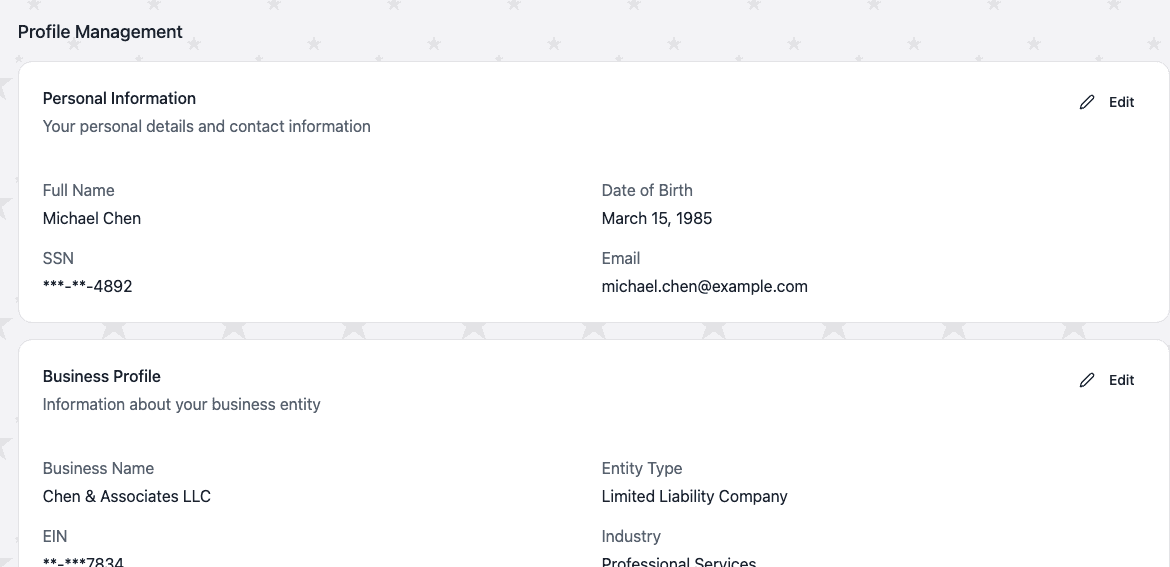
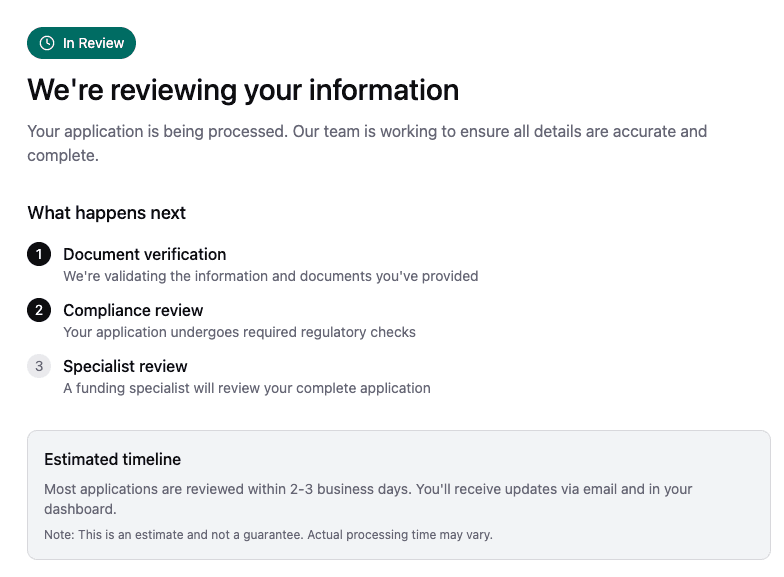
Process/Research
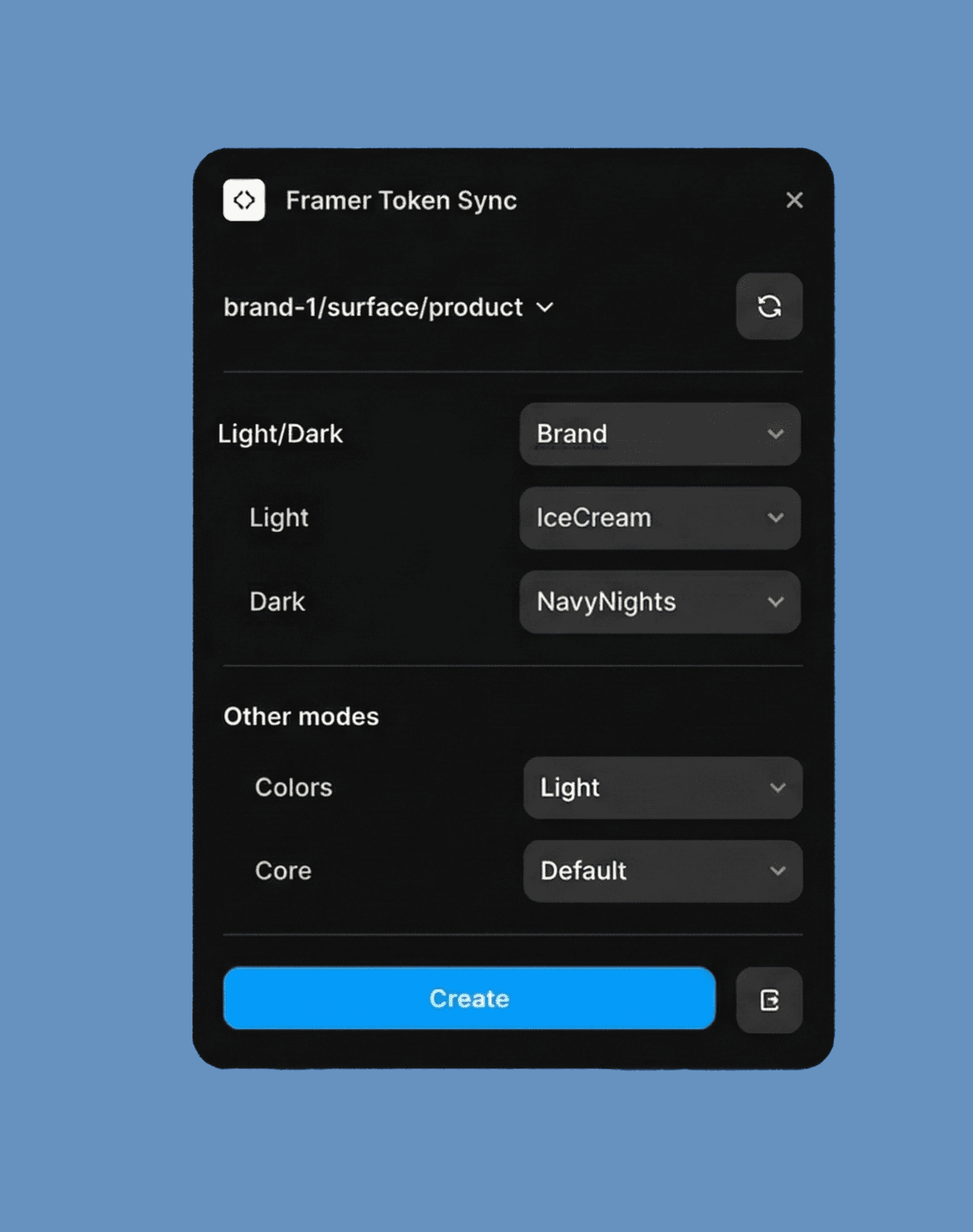
Normally, a dedicated audit would be a critical first step, but the issues here were so pronounced that a “fresh start” was the only viable path forward. While we did audit origination flows, application experiences, GPT products in beta, dashboards, and related surfaces to inform the visual language and UX content that would underpin the system, much of the effort centered on identifying the right content management and web development platform. After conversations with multiple vendors, including Webflow, Framer emerged as the clear choice. From a cost perspective it was more viable, but more importantly, its canvas-based model enabled more traditional designers to function as web and product designers with greater impact. Its React foundation also aligned well with the ecosystem I was advocating for and ultimately secured stakeholder buy-in around more seamless, AI-assisted design workflows.
Having a design tool in Figma and a combined design and development tool in Framer reinforced the need for a design system that did not live inside a single design application, as is still common in many organizations. Working alongside tokenization experts, it became clear that a shared vocabulary between humans and machines would be essential to achieving those goals. That realization pushed the work beyond a conventional design system or brand guidebook. Everything pointed toward the need for a true governance system, one capable of aligning design, development, and AI-assisted generation around the same set of rules and semantics.
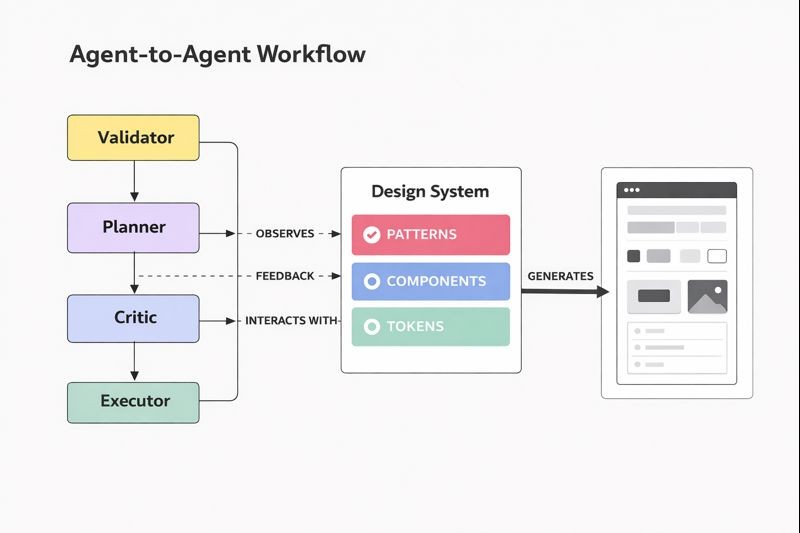
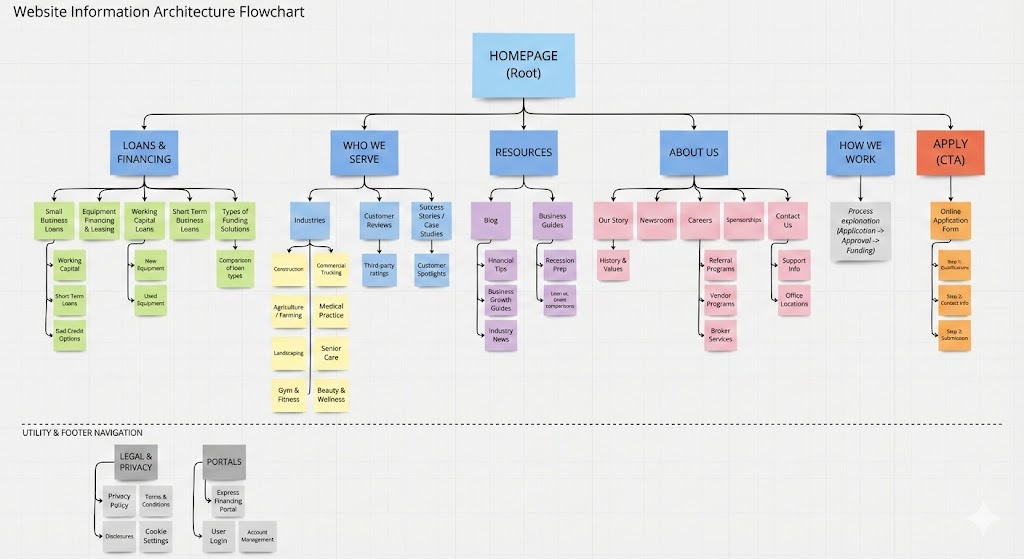
Process/Design
The semantic vocabulary and governance standards were, easily, the most important design decisions to not only get right, but to get right early. This was critical to building a scalable, multi-brand design system that did not exist solely in one person’s head. In many ways, defining the semantics was the easy part. We were partnering with veterans who grew up playing Atari and understood the difference between LLMs, SLMs, and RAG well before 2022. Where the real work emerged was in defining the standards by which components could be assembled, from atom to organism, which required close collaboration across Product, Customer Experience, and Marketing.
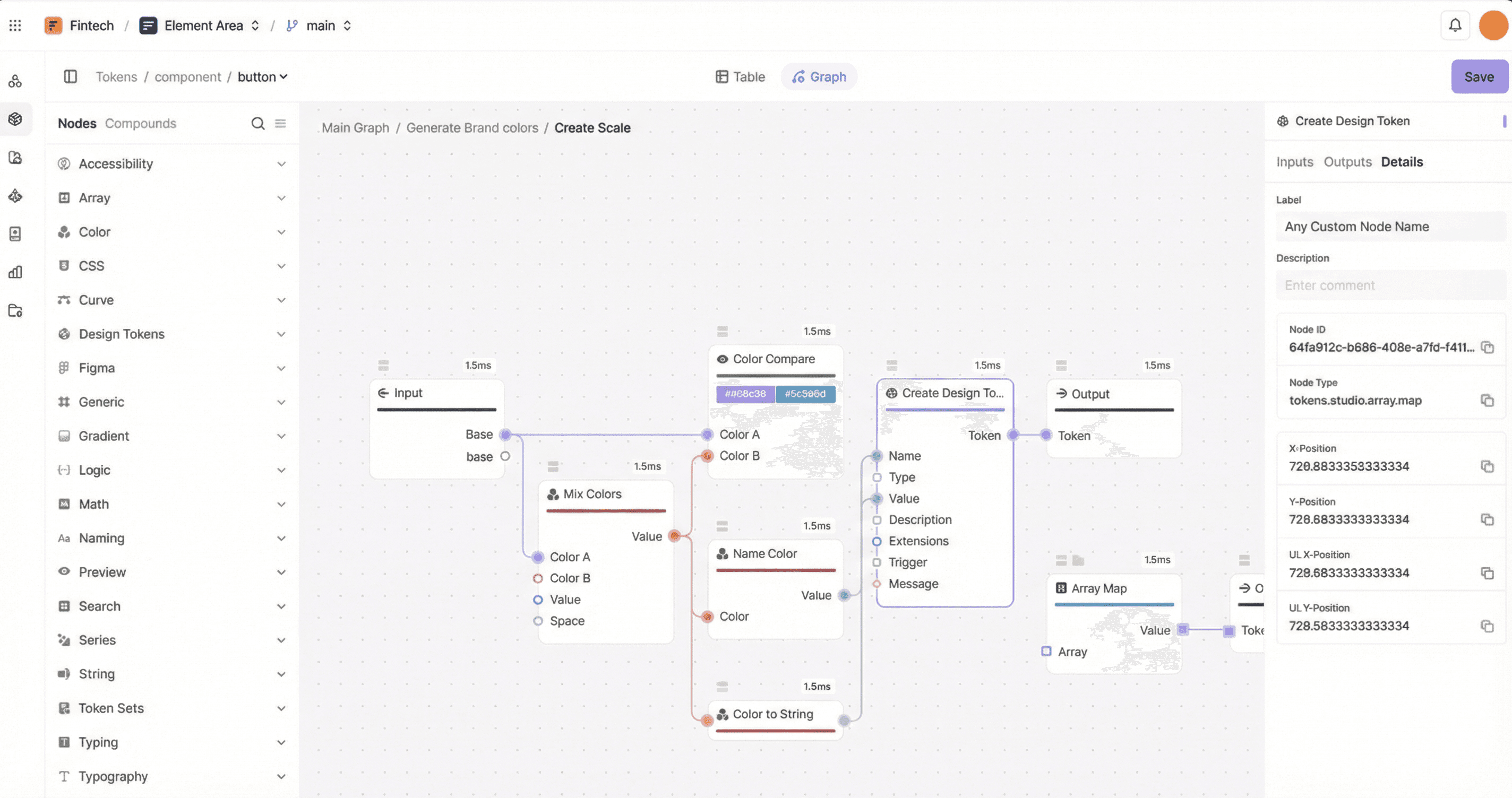
As a result, one of the most important design-focused decisions was the creation of governance documentation that could guide both autonomous systems and human teams as they built their LEGO masterpieces from a shared set of parts. Given the need for easily parsed, semantically rich information, supported by metadata and structured schemas, an interactive governance site became essential. It was not only a visually strong solution, but a foundational requirement for the long-term viability of an AI-assisted design system. Redundancies were built into both the governance flows and the headless system itself, because if that foundation fails, things tend to go south very quickly.
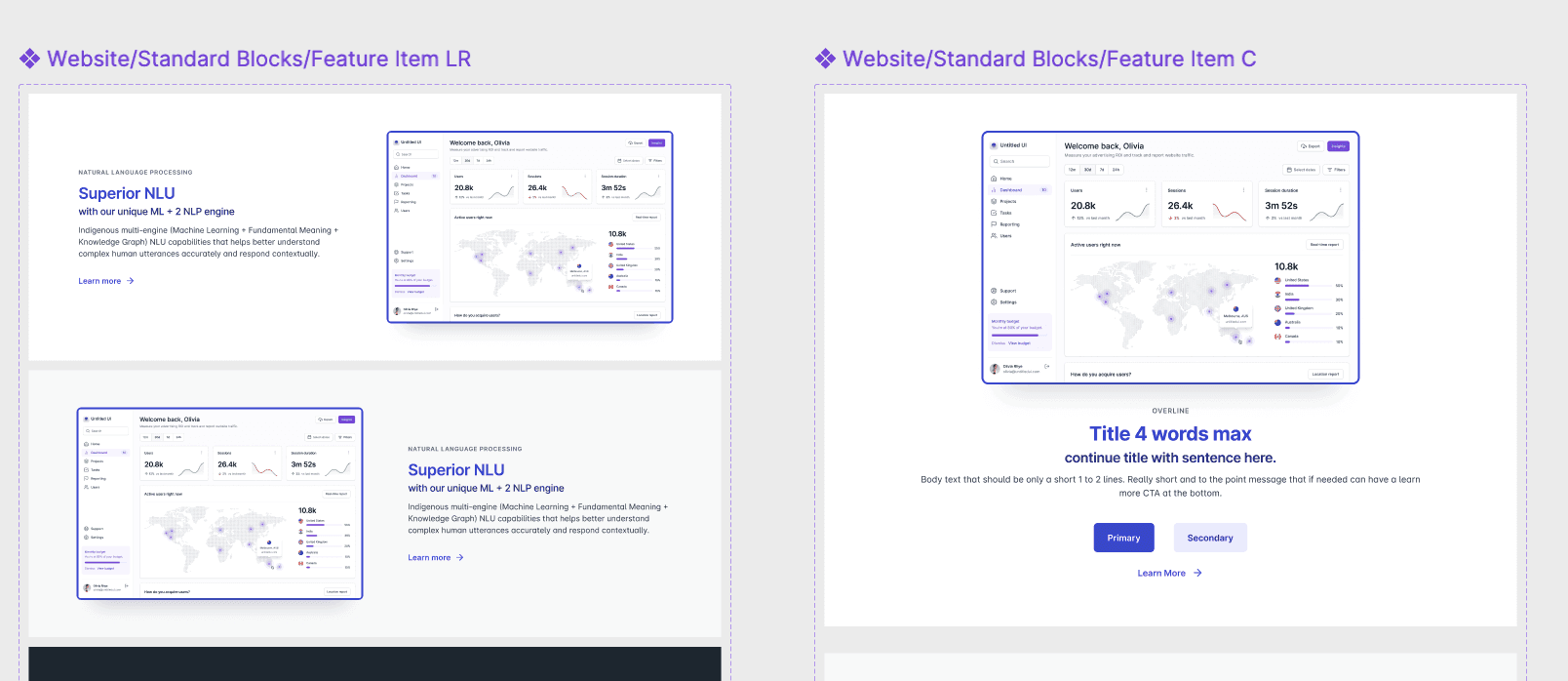
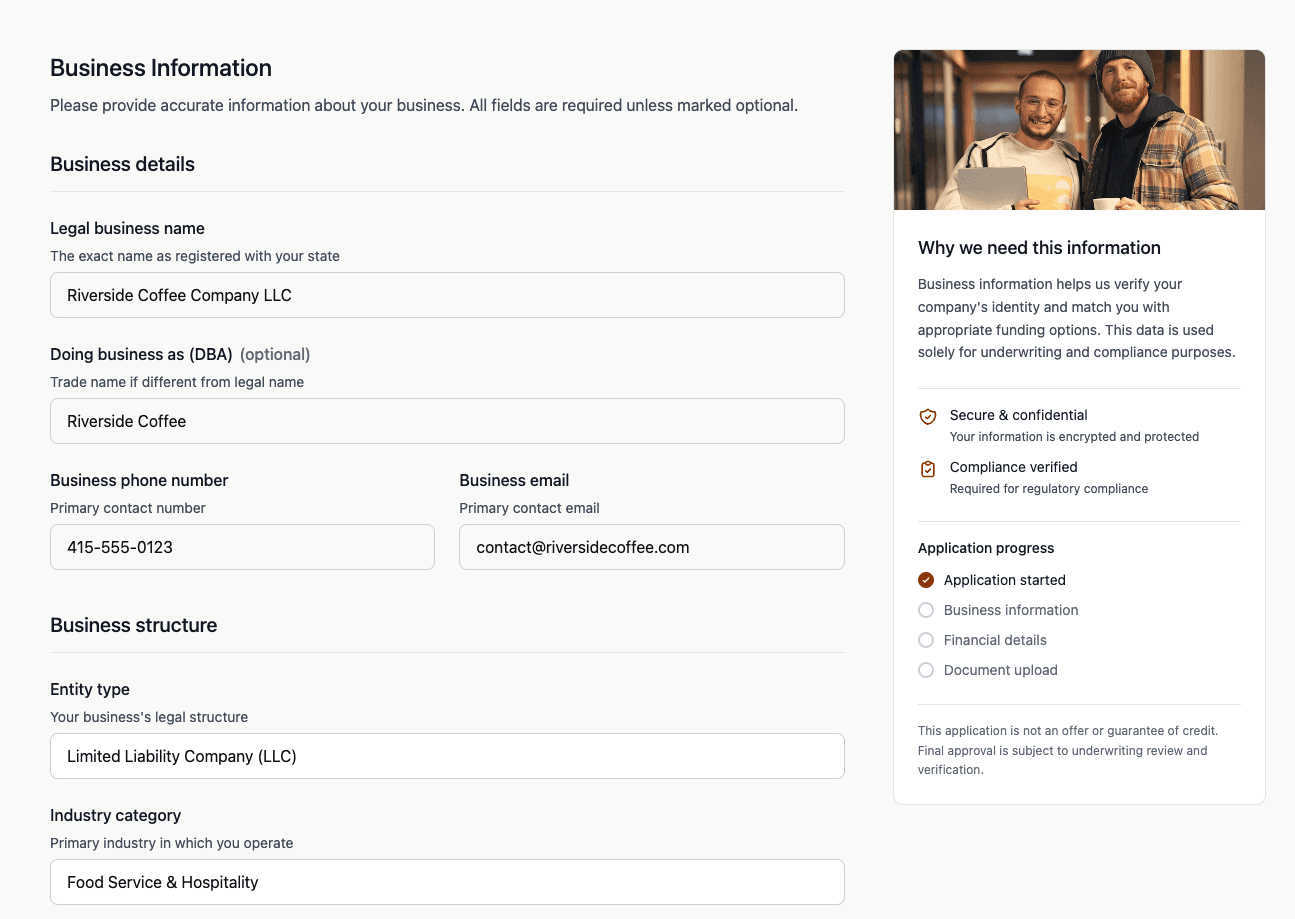
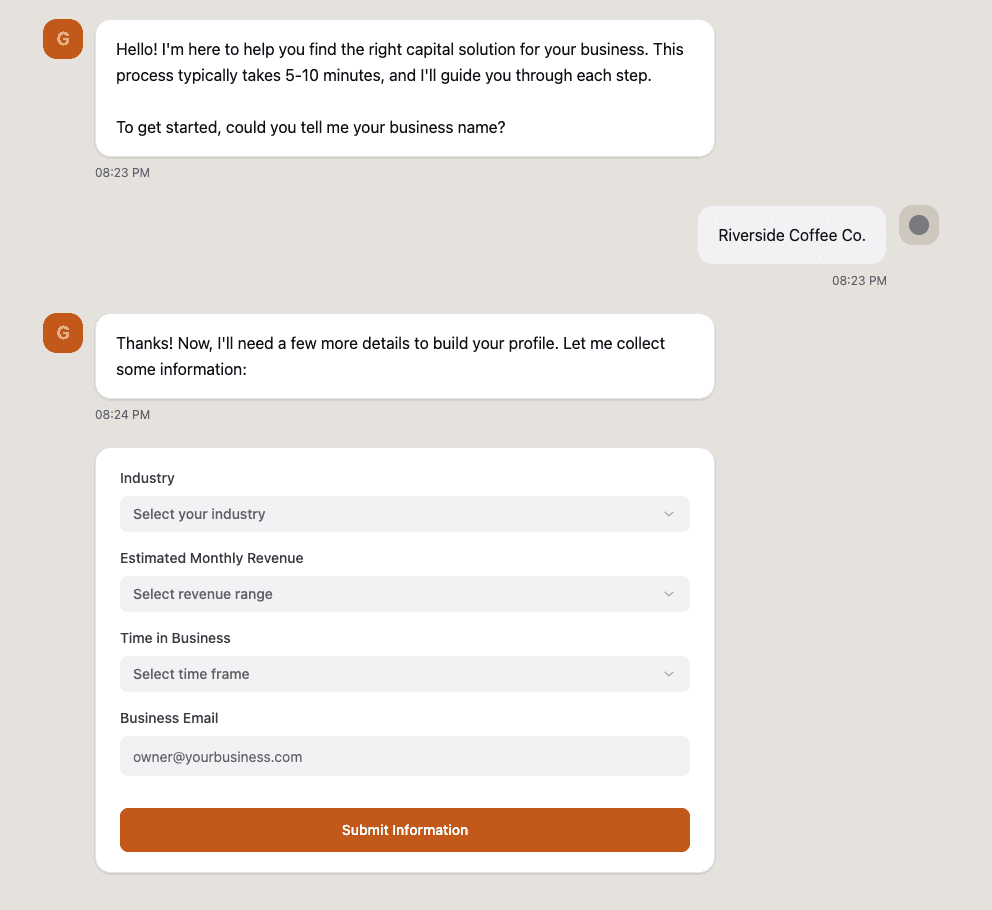
Note: Final and in-progress work cannot be shown until, at the very least, 2nd quarter 2026 (planned live date of brand refreshes.) Mix of drafts and user testing prototypes are shown.
Process/Validation
Validation is difficult, as you probably know by now if you have not skipped ahead, and in this case it is very much ongoing. Some efforts failed, and in a few cases failed significantly. From those failures, however, meaningful progress followed, along with several important wins. There is not yet long-term validation, but support has emerged through a series of individual successes that, together, are allowing this larger system to take shape. Incremental arguments were made and stakeholders won over by demonstrating how quickly we could move into user testing using AI-assisted flows, as well as by the positive feedback loops that formed between design and development around Framer as a shared execution tool. Early pilot efforts showed faster time-to-ship, improved accessibility compliance, and reduced error rates when compared to legacy workflows, which is ultimately why the work stands where it does today.
Validation continues. Friction is decreasing, aesthetics are improving, and the business has begun to see positive bottom-line impact driven by faster design-to-ship and design-to-test cycles. While the system is still evolving, its trajectory is increasingly supported by measurable outcomes rather than belief alone.
Wrap-Up
This project is still in progress, and as such, it should not be read as a final case study. That creates inherent ambiguity around outcomes, including which decisions ultimately prove successful and which require reconsideration. In most circumstances, work at this stage would not be shared publicly, as key variables may still change before the exploration is complete.
What can be stated with confidence is the structural outcome. Starting as a solo Lead-level contributor and transitioning back into a leadership role enabled me to shape not only the system itself, but the team responsible for sustaining and evolving it.
Note: More to myself here, but I need to cut down a bit on the amount of text here. Right?